Bone Grafting, Dental Treatment, Health Tourism, Implant

Why Bone Grafting May Be Necessary Before Dental Implants

Dental implants are considered one of the most effective and long-lasting solutions for replacing missing teeth. However, not every patient has enough healthy jawbone to support an implant immediately. In many cases, dentists recommend a bone grafting procedure before implant placement. Understanding why bone grafting may be necessary before dental implants can help patients feel more informed and confident about their treatment journey.

Bone grafting is a common and highly successful procedure that helps rebuild lost bone, creating a strong foundation for dental implants. In this article, we will explain why bone grafting may be necessary before dental implants, what causes bone loss, and how bone grafting contributes to long-term implant success.

What Is Bone Grafting?

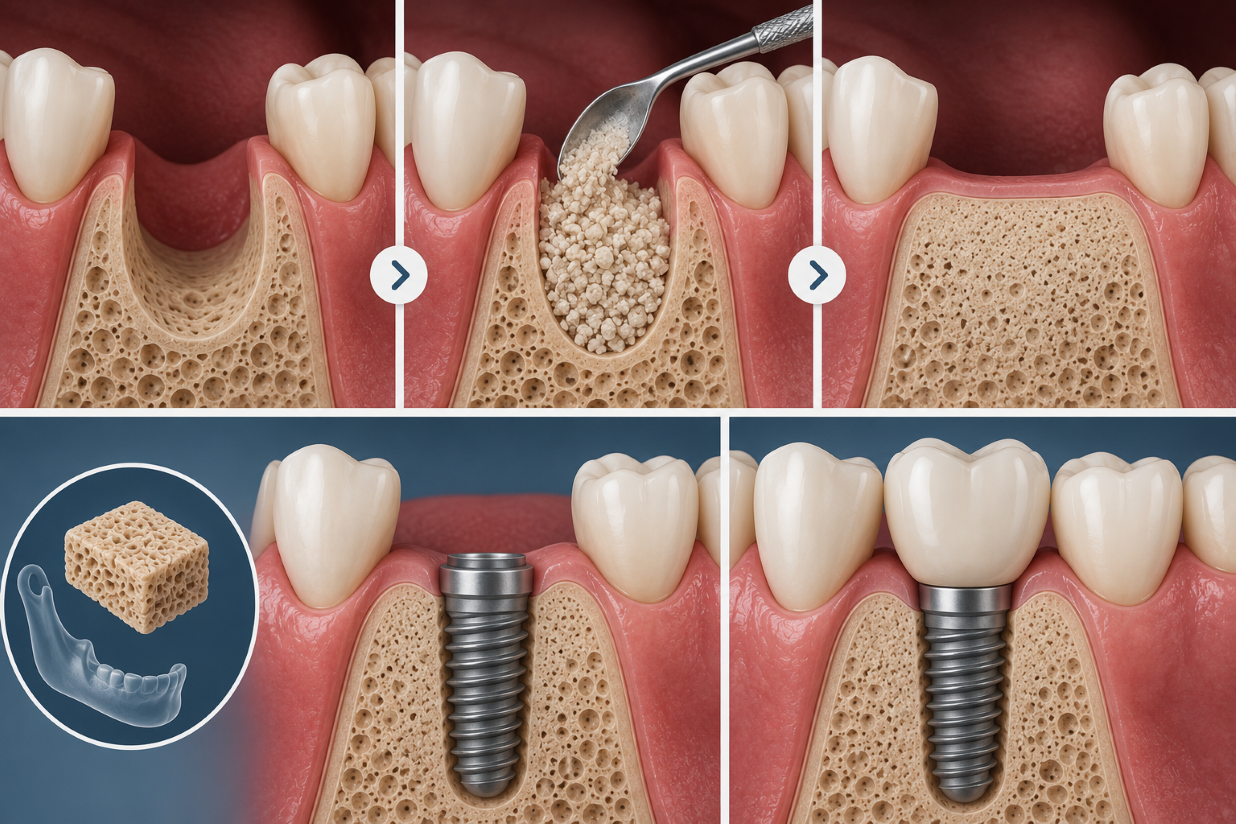
Bone grafting is a procedure used to increase the volume and density of jawbone in areas where bone has been lost. During the treatment, grafting material is placed in the deficient area, where it gradually integrates with the existing bone and encourages new bone growth.

The goal is to create enough bone support for a dental implant to remain stable and secure for many years.

Understanding why bone grafting may be necessary before dental implants begins with recognizing the importance of healthy bone for implant success.

Why Is Jawbone Important for Dental Implants?

A dental implant functions as an artificial tooth root. It is surgically placed into the jawbone and relies on a process called osseointegration, where the implant fuses with the surrounding bone.

Without sufficient bone volume and density, the implant may not have the support needed for proper integration. This can increase the risk of implant instability or failure.

For this reason, dentists carefully evaluate bone levels before recommending implant treatment.

Common Causes of Bone Loss

Missing Teeth for a Long Time

One of the most common reasons why bone grafting may be necessary before dental implants is prolonged tooth loss.

After a tooth is lost or extracted, the jawbone no longer receives stimulation from the tooth root. As a result, the bone gradually begins to shrink and weaken.

Periodontal Disease

Advanced gum disease can destroy the bone that supports natural teeth. Significant bone loss caused by periodontal disease may leave insufficient bone for implant placement.

Trauma or Injury

Accidents and facial injuries can damage both teeth and surrounding bone structures. In these cases, bone grafting may be needed to restore adequate support.

Infection

Severe dental infections can lead to bone deterioration around affected teeth, creating defects that require reconstruction before implant treatment.

Types of Bone Grafting Procedures

The specific grafting technique depends on the patient’s needs and the amount of bone loss.

Common options include:

  • Socket preservation after tooth extraction
  • Ridge augmentation
  • Sinus lift procedures
  • Localized bone grafting around implant sites

Your dentist will recommend the most appropriate approach based on detailed imaging and examination.

Benefits of Bone Grafting Before Implants

Bone grafting offers several important advantages:

  • Creates sufficient bone volume for implant placement
  • Improves implant stability
  • Increases long-term implant success rates
  • Helps maintain facial structure
  • Enhances both function and aesthetics

By rebuilding lost bone, patients can become suitable candidates for dental implants even after significant bone loss.

Recovery and Healing

Healing times vary depending on the size and location of the graft. In many cases, the graft requires several months to integrate fully with the existing jawbone before implant placement can proceed.

Patients can support healing by:

  • Following post-operative instructions carefully
  • Maintaining excellent oral hygiene
  • Avoiding smoking
  • Attending all follow-up appointments
  • Following recommended dietary guidelines

Proper healing is essential for achieving optimal implant outcomes.

Final Thoughts

Understanding why bone grafting may be necessary before dental implants helps patients appreciate the importance of a strong and healthy jawbone. Although the need for an additional procedure may seem concerning, bone grafting is a well-established treatment that significantly improves the chances of implant success.

By restoring lost bone and creating a stable foundation, bone grafting allows many patients to benefit from durable, functional, and natural-looking dental implants for years to come.

Cosmetic Dentistry in Turkey

Optimum Dental Turkey Advantages

Contact Us For Any Questions