Dental Health, Dental Treatment, Dental Veneer, General, Health Tourism, Hollywood Smile, Zirconium Crown

What Happens If a Dental Crown Becomes Loose?

A dental crown is designed to protect and restore a damaged or weakened tooth. Although crowns are generally durable, they can sometimes become loose or detached. A loose crown should not be ignored because the underlying tooth may be exposed to bacteria, pressure and further damage.

Understanding why a crown becomes loose and what to do next can help prevent complications and protect your oral health.

What Is a Dental Crown?

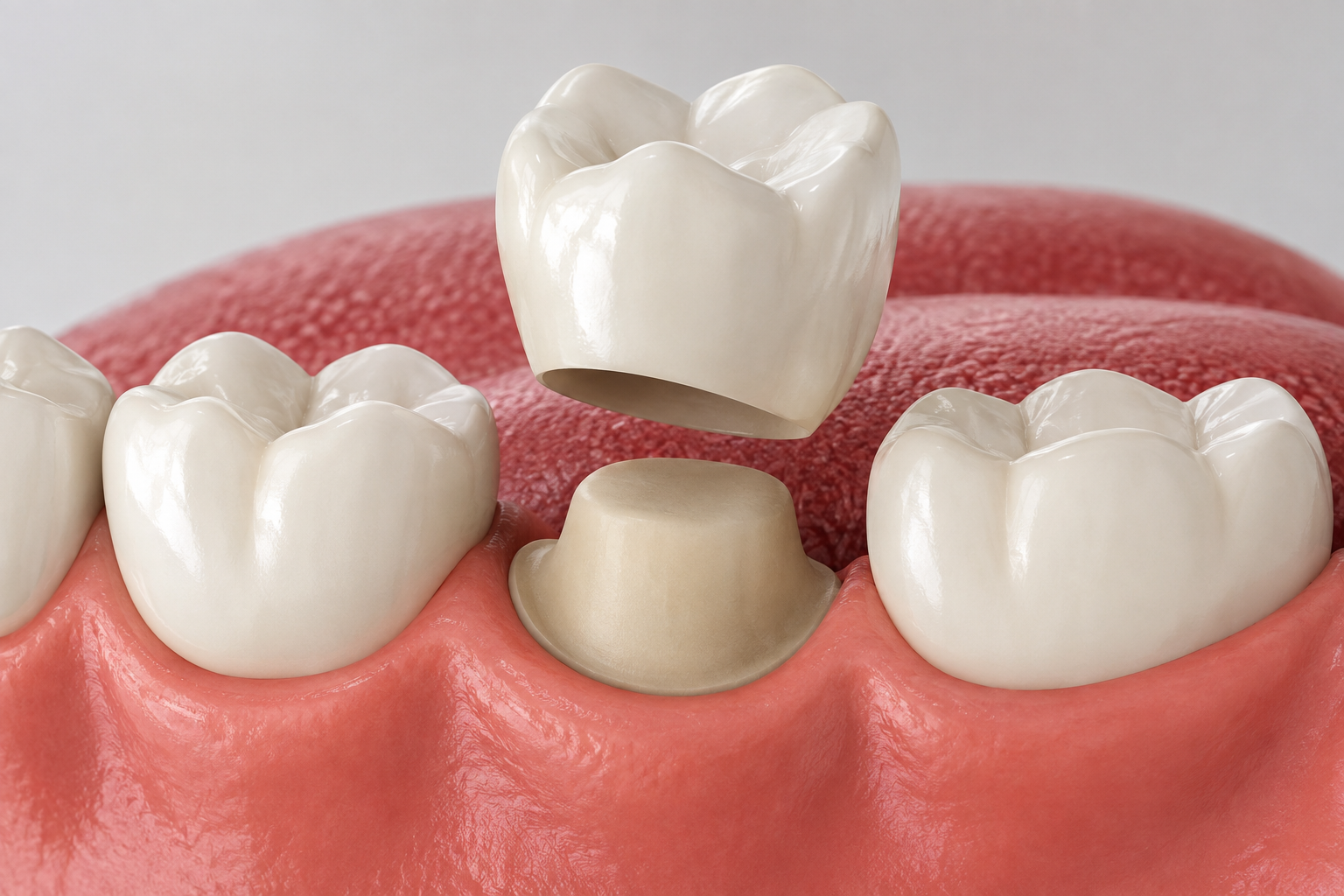
A dental crown is a custom-made restoration placed over a damaged, weakened or heavily restored tooth. It can restore the tooth’s shape, strength and function while also improving its appearance.

Crowns can be made from several materials, including zirconia, porcelain, ceramic and metal-based materials. The appropriate material depends on factors such as the location of the tooth, bite forces, aesthetic requirements and the patient’s individual needs.

Why Does a Dental Crown Become Loose?

There are several possible reasons why a crown may become loose.

1. The Dental Cement Has Weakened

Crowns are generally bonded or cemented to the prepared tooth. Over time, the cement can deteriorate or lose its retention, allowing the crown to move.

2. Tooth Decay Under the Crown

If bacteria enter the area between the crown and the tooth, decay can develop underneath the restoration. This can weaken the remaining tooth structure and affect the crown’s stability.

3. Excessive Bite Pressure

Strong biting forces can place significant stress on a dental crown. Teeth grinding or clenching may increase this pressure and contribute to loosening or damage.

4. Damage to the Crown or Tooth

A crown can become unstable if the restoration cracks or if the underlying tooth fractures. Trauma or biting on particularly hard foods can sometimes contribute to these problems.

5. Changes in the Underlying Tooth

The tooth supporting the crown may change because of decay, fracture, gum problems or other dental conditions. When the supporting structure changes, the crown may no longer fit securely.

What Should You Do If Your Crown Becomes Loose?

If you notice a loose dental crown, contact your dentist as soon as possible.

Until you can receive professional advice:

  • Avoid chewing on the affected side.
  • Do not attempt to permanently glue the crown back yourself.
  • Keep the crown and surrounding area clean.
  • Avoid very hard or sticky foods.
  • If the crown comes off completely, keep it in a clean container and take it to your dental appointment.
  • Follow your dentist’s instructions regarding whether the crown should be temporarily repositioned.

A loose restoration does not always mean that the crown needs to be replaced. The dentist must first determine why it became unstable.

Can a Loose Dental Crown Be Recemented?

In some cases, yes. If the crown is intact, fits correctly and the supporting tooth is healthy, the dentist may be able to clean the crown and tooth and securely recement the restoration.

However, recementation is not always appropriate. If there is significant decay, a fractured tooth, poor crown fit or damage to the restoration, additional treatment may be necessary.

The dentist may need to perform an examination and take dental X-rays to evaluate the tooth underneath the crown.

Can You Eat With a Loose Crown?

It is generally better to avoid chewing with a loose crown until it has been evaluated by a dentist. Eating can increase movement of the restoration and may cause further damage to the crown or the underlying tooth.

Sticky foods can potentially pull the crown further away from the tooth, while hard foods may increase pressure on an already unstable restoration.

What Happens If You Ignore a Loose Crown?

Ignoring a loose dental crown can allow the problem to become more complicated.

The exposed tooth may become vulnerable to:

  • Tooth decay
  • Bacterial accumulation
  • Tooth sensitivity
  • Fracture
  • Gum irritation
  • Further loss of tooth structure

In some cases, delaying treatment may turn a relatively simple repair into a more complex procedure.

When Should You See a Dentist?

You should arrange a dental appointment if your crown moves, feels different when biting or partially comes away from the tooth.

Seek prompt professional evaluation if you experience:

  • Severe tooth pain
  • Significant sensitivity
  • Swelling around the tooth
  • Bleeding or gum irritation
  • A visibly fractured tooth
  • A crown that has completely fallen out
  • Difficulty biting normally

These symptoms may indicate a problem involving the tooth beneath the crown rather than the crown itself.

How Can You Prevent Dental Crown Problems?

Good oral hygiene and regular dental examinations can help maintain the health of crowned teeth.

Important habits include:

Maintain Good Oral Hygiene

Brush twice a day with fluoride toothpaste and clean between your teeth regularly. Pay particular attention to the gumline around the crown.

Avoid Excessive Pressure

Do not use your teeth to open packages or bite extremely hard objects. If you grind or clench your teeth, discuss this with your dentist.

Attend Regular Dental Check-Ups

Routine examinations allow your dentist to identify problems with crowns, gums and underlying teeth before they become more serious.

Follow Your Dentist’s Recommendations

Your dentist can advise you about the appropriate care for your specific crown and oral health needs.

Frequently Asked Questions

Is a loose dental crown an emergency?

A loose crown is not always a dental emergency, but it should be assessed by a dentist promptly. The underlying tooth may require protection and treatment.

Can I put my crown back myself?

You should not permanently glue a crown back yourself. Some situations may allow temporary repositioning, but it is best to receive specific instructions from your dentist.

Does a loose crown always need to be replaced?

No. If the crown is undamaged and the supporting tooth is healthy, it may sometimes be possible to clean and recement it. The dentist needs to assess the restoration first.

Why does my crown feel loose but not painful?

A crown can become loose without causing pain, particularly if the cement has weakened. However, the absence of pain does not necessarily mean that the underlying tooth is healthy.

How long can I leave a loose crown?

It is best not to leave a loose crown untreated. Delaying evaluation can expose the underlying tooth to bacteria and mechanical damage.

Final Thoughts

A loose dental crown should never be ignored. While some crowns can be successfully recemented, others may require replacement or treatment of the underlying tooth.

The safest approach is to contact your dentist promptly, avoid chewing on the affected side and follow professional instructions until the crown can be examined. Early evaluation can help protect the remaining tooth structure and prevent more extensive dental treatment.

Cosmetic Dentistry in Turkey

Optimum Dental Turkey Advantages

Contact Us For Any Questions