Dental Health, Dental Treatment, Dental Veneer, General, Health Tourism, Hollywood Smile, Implant, Zirconium Crown

Digital Smile Design Explained: How Digital Technology Transforms Your Smile

Dental implants are a reliable and long-lasting solution for replacing missing teeth. However, many patients wonder whether their age can affect the outcome of treatment. Understanding how age affects dental implant success can help patients make informed decisions and know what factors are more important than age alone.

In general, there is no single age at which someone becomes too old for dental implants. A patient’s overall health, bone quality, oral hygiene, and lifestyle often have a greater influence on treatment outcomes. This article explains how age affects dental implant success and what patients should consider before treatment.

What Is Digital Smile Design?

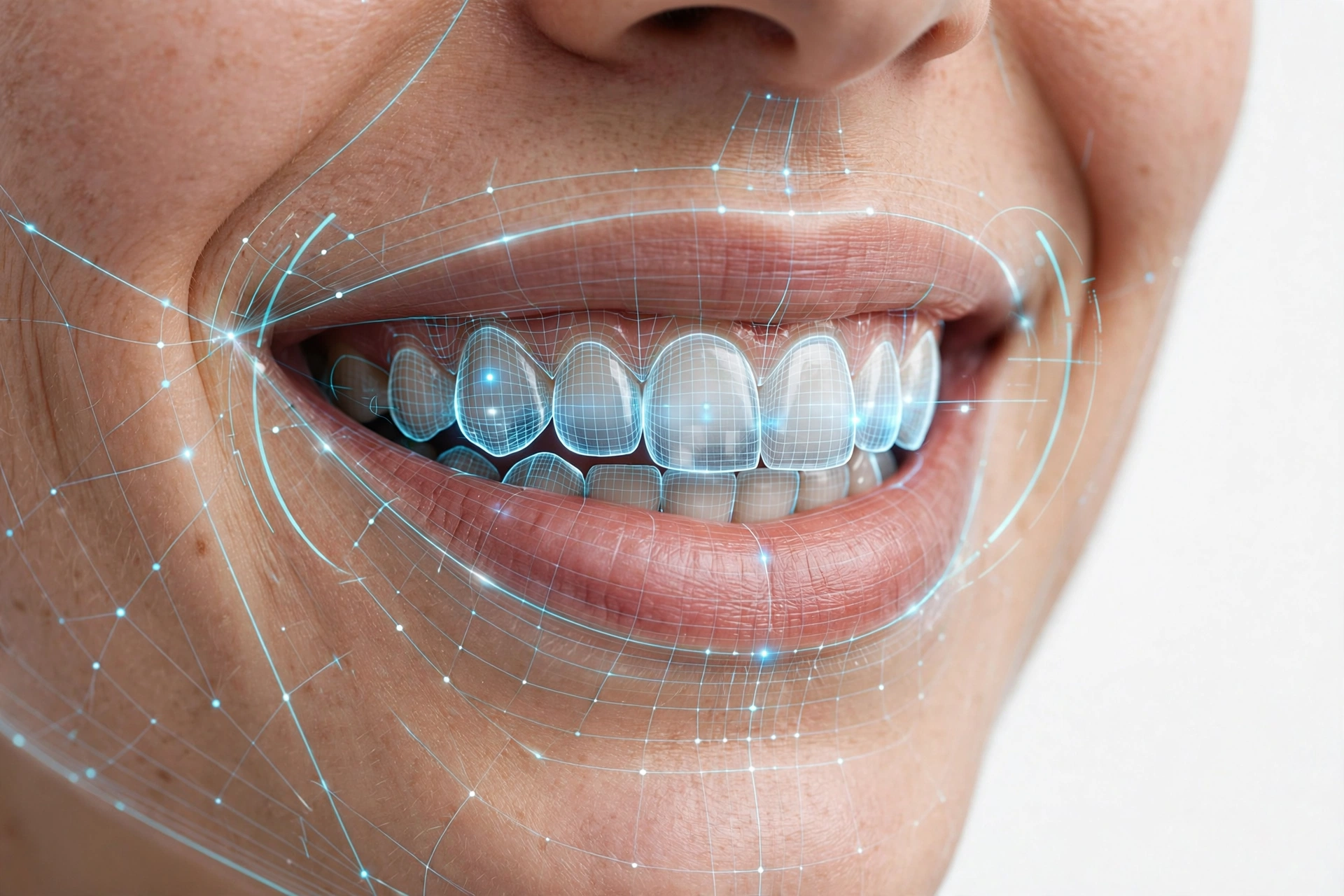
Digital Smile Design is a technology-supported smile planning process that evaluates the patient’s teeth, gums, lips and facial proportions together rather than focusing only on individual teeth.

During the planning process, dentists can use digital photographs, videos, intraoral scans and other digital records to analyze the patient’s smile. These records can then be used to create a customized treatment concept based on the patient’s facial characteristics and aesthetic expectations.

Unlike a traditional approach where patients may have difficulty imagining the final result, digital smile planning can provide a much clearer visualization of the proposed outcome.

How Does Digital Smile Design Work?

The process generally involves several important stages:

1. Digital Records Are Collected

The dentist begins by collecting detailed clinical and digital information. This may include:

  • High-resolution dental photographs
  • Facial photographs
  • Intraoral scans
  • Dental impressions when necessary
  • Videos showing the patient’s natural smile and facial movements
  • Existing dental records

These digital records provide the foundation for creating an individualized treatment plan.

2. Facial and Smile Analysis

The dentist evaluates important aesthetic factors such as tooth proportions, smile line, gum display, lip position and facial symmetry.

The relationship between the teeth and the surrounding facial structures is particularly important. A restoration that looks attractive on a dental model may not necessarily look natural when viewed within the patient’s entire face.

3. Digital Smile Design

The collected information is used to create a digital representation of the proposed smile. The dentist can evaluate different possibilities for tooth shape, proportions and overall smile harmony.

This allows the treatment plan to be customized according to the individual rather than applying the same aesthetic design to every patient.

4. Patient Communication and Preview

One of the biggest advantages of digital planning is improved communication. Patients can better understand what their proposed treatment may look like and discuss their preferences with the dental team.

In some cases, a temporary mock-up or test version of the proposed design can also be created so the patient can experience the planned changes before definitive restorations are produced.

5. Treatment Is Performed

Once the treatment plan has been approved, the dentist proceeds with the appropriate procedure. Depending on the patient’s needs, this may involve veneers, crowns, dental implants, orthodontic treatment, gum contouring, teeth whitening or a combination of procedures.

What Are the Benefits of Digital Smile Design?

Digital smile planning can provide several advantages for both patients and dental professionals.

Personalized Treatment Planning

Every smile is different. Digital analysis allows the treatment plan to consider the patient’s individual facial characteristics, dental condition and aesthetic goals.

Better Patient Communication

Dental terminology and treatment plans can sometimes be difficult for patients to visualize. Digital simulations and visual records make it easier to discuss possible treatment outcomes.

Improved Predictability

Digital planning helps the dental team establish a clear treatment concept before treatment begins. It can also improve communication between the dentist, dental technician and other specialists involved in complex cases.

More Natural-Looking Results

The objective is not simply to create perfectly white or perfectly aligned teeth. Instead, the goal is to achieve harmony between the teeth, gums, lips and facial features.

Better Collaboration Between Dentist and Laboratory

For treatments involving crowns, veneers or implant-supported restorations, digital information can be shared between the dental clinic and laboratory. This can help the dental technician understand the planned tooth proportions, shape and aesthetic objectives.

Who Can Benefit From Digital Smile Design?

Digital smile planning may be suitable for patients considering a wide range of cosmetic and restorative dental treatments.

It can be particularly useful for people considering:

  • Dental veneers
  • Zirconia crowns
  • Ceramic restorations
  • Smile makeovers
  • Full-mouth rehabilitation
  • Dental implants
  • Gum aesthetic procedures
  • Tooth reshaping
  • Combined cosmetic dental treatments

However, not every patient needs the same type of digital planning. A dentist should evaluate the patient’s oral health and treatment goals before recommending an appropriate approach.

Is Digital Smile Design Only About Cosmetic Dentistry?

Not necessarily. Although digital smile planning is strongly associated with cosmetic dentistry, its principles can also be useful in complex restorative and implant cases.

When multiple teeth need to be restored, planning the relationship between tooth position, function, facial appearance and occlusion can help the dental team establish a more comprehensive treatment strategy.

For implant-supported restorations and full-mouth rehabilitation, digital planning can also support communication between the dentist, surgeon and dental laboratory.

Does Digital Smile Design Guarantee the Final Result?

Digital simulations are planning tools rather than guarantees of an exact final appearance.

The final result can be influenced by factors such as tooth and gum health, healing, biological limitations, material selection, bite relationships and the patient’s individual anatomy.

For this reason, digital visualization should be considered part of the treatment planning process rather than a promise that the final result will look exactly like a computer-generated image.

What Should You Ask Your Dentist Before Treatment?

If you are considering a smile makeover, asking the following questions can help you understand your treatment plan:

  • What changes are recommended for my smile?
  • Which teeth need treatment?
  • What materials will be used?
  • Can I see a preview of the proposed smile?
  • Will the treatment affect my natural teeth?
  • How will my bite be considered?
  • How long will the treatment take?
  • Will I need temporary restorations?
  • How will the dentist and dental laboratory communicate during the process?

A detailed consultation can help you understand both the aesthetic and functional aspects of your treatment.

Frequently Asked Questions

Is Digital Smile Design worth it?

For patients undergoing complex cosmetic or restorative treatment, digital smile planning can be valuable because it improves visualization, communication and treatment coordination. Its usefulness depends on the individual case.

Can I see my new smile before treatment?

In many cases, digital visualization or a physical mock-up can help patients understand the proposed changes before definitive treatment begins. The exact preview method depends on the clinic and treatment plan.

How long does the planning process take?

The time required depends on the complexity of the case and the digital records needed. Simple cases may require less planning, while complex smile makeovers or full-mouth restorations may involve multiple stages.

Does Digital Smile Design replace the dentist’s clinical examination?

No. Digital planning does not replace a comprehensive dental examination. Oral health, bone structure, gum condition, bite and other clinical factors must be evaluated before treatment is recommended.

Final Thoughts

Modern dentistry is increasingly moving toward personalized and digitally supported treatment planning. By combining facial analysis, digital records and clinical expertise, Digital Smile Design can help create a more structured approach to cosmetic and restorative dentistry.

The most important goal is not simply to create a visually attractive smile, but to develop a result that works harmoniously with the patient’s facial features, oral health and functional needs. A detailed consultation with an experienced dental professional is the best way to determine whether digital smile planning is appropriate for your individual case.

Cosmetic Dentistry in Turkey

Optimum Dental Turkey Advantages

Contact Us For Any Questions