Dental Health, Dental Treatment, General, Health Tourism, Oral Hygiene

Signs You Should Visit a Dentist Immediately

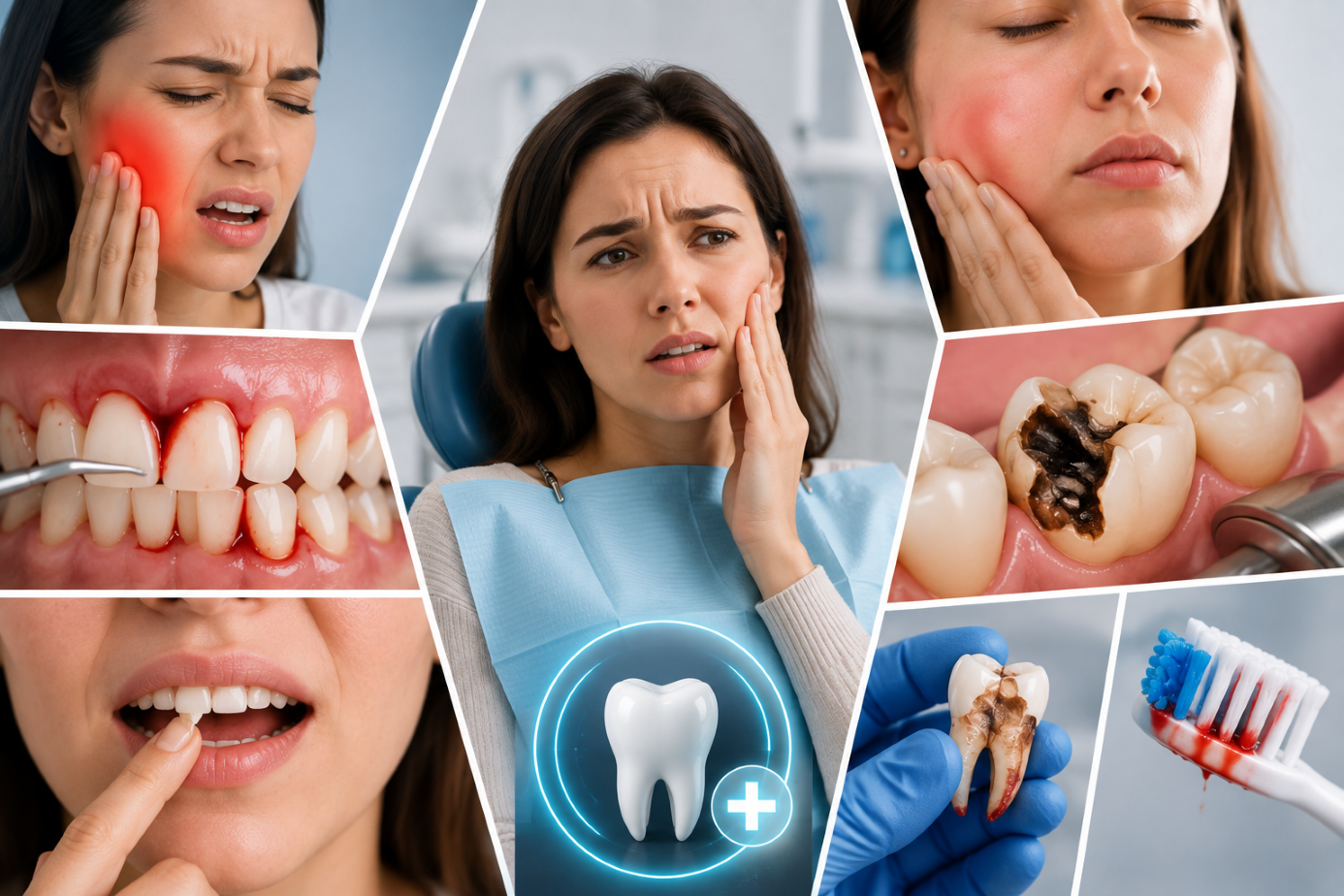
Dental problems do not always develop slowly. While some symptoms can wait for a routine appointment, others may require prompt professional attention. Knowing the signs you should visit a dentist immediately can help prevent a minor problem from developing into a more serious dental emergency.

Pain, swelling, bleeding, or damage to a tooth may indicate an underlying issue that should not be ignored. In this guide, we explain the most important signs you should visit a dentist immediately and what you should do when they occur.

1. Severe or Persistent Tooth Pain

A toothache that is severe, persistent, or getting worse should be examined by a dentist. Pain may be caused by tooth decay, infection, a cracked tooth, gum disease, or another dental problem.

You should seek dental advice, especially if the pain:

  • Keeps you awake at night
  • Does not improve
  • Becomes increasingly severe
  • Occurs when biting or chewing
  • Is accompanied by swelling or fever

Early treatment may help prevent further damage and reduce the risk of complications.

2. Facial or Gum Swelling

Swelling around the gums, jaw, cheek, or face can sometimes be a sign of infection. A dental abscess, for example, may cause swelling, pain, and sensitivity.

Do not ignore significant or worsening swelling. Contact a dentist as soon as possible for professional assessment.

If swelling is severe or is accompanied by difficulty breathing or swallowing, seek emergency medical care immediately.

3. A Knocked-Out or Broken Tooth

A knocked-out tooth requires urgent dental attention. In some cases, prompt treatment may improve the chances of saving the tooth.

If an adult tooth is knocked out, handle it carefully by the crown rather than the root. If appropriate, gently rinse it without scrubbing and contact a dentist immediately for further instructions.

A broken or severely cracked tooth should also be examined as soon as possible to protect the remaining tooth structure.

4. Persistent Bleeding From the Gums

Occasional minor bleeding can occur from irritation, but frequent or persistent gum bleeding should not be ignored. It may be associated with gum inflammation or periodontal disease.

A dentist can identify the underlying cause and recommend the appropriate treatment.

5. A Loose Tooth

Adult teeth should not become loose without a reason. Tooth mobility can be associated with gum disease, trauma, infection, or bone loss.

Prompt dental evaluation may help identify the cause and determine whether the tooth can be stabilized or treated.

6. A Lost Filling, Crown, or Dental Restoration

If a filling, crown, bridge, or other restoration becomes loose or falls out, contact your dentist. The exposed tooth may be vulnerable to sensitivity, damage, or further decay.

Avoid chewing on the affected area until you receive professional advice.

7. Signs of a Dental Infection

A dental infection can cause symptoms such as:

  • Severe tooth pain
  • Swelling
  • A bad taste in the mouth
  • Pus or drainage around the gums
  • Fever
  • Swollen lymph nodes

Dental infections require professional assessment and treatment. They should not be ignored or treated only with home remedies.

8. Jaw Pain or Difficulty Opening Your Mouth

Pain in the jaw, difficulty opening or closing your mouth, or sudden changes in your bite may require dental evaluation. These symptoms can be related to dental infection, trauma, teeth grinding, or temporomandibular joint problems.

A dentist can help determine the cause and recommend appropriate treatment.

9. Unexplained Mouth Sores or Changes

A sore, lump, patch, or other change in the mouth that does not heal or continues to worsen should be examined by a dental or medical professional.

Regular dental check-ups can also help identify unusual changes at an early stage.

When Is It a True Emergency?

The signs you should visit a dentist immediately include severe pain, significant swelling, trauma, uncontrolled bleeding, and signs of infection. Acting quickly can sometimes help save a tooth and prevent complications.

However, if you experience difficulty breathing or swallowing, severe facial swelling, or uncontrolled bleeding, seek emergency medical care immediately rather than waiting for a routine dental appointment.

Final Thoughts

Understanding the signs you should visit a dentist immediately can help you respond quickly when a dental problem requires urgent care. Severe pain, swelling, trauma, infection, and loose or damaged teeth should always be taken seriously.

When in doubt, contact your dentist for advice. Early professional assessment can help protect your oral health and may prevent a more serious problem from developing.

Cosmetic Dentistry in Turkey

Optimum Dental Turkey Advantages

Contact Us For Any Questions