Dental Health, Dental Treatment, General, Health Tourism, Oral Hygiene

What Happens After Tooth Extraction?

Tooth extraction is a common dental procedure performed when a tooth cannot be saved or when removing it is the best option for your oral health. Whether the tooth is removed because of severe decay, infection, damage, gum disease, or overcrowding, understanding what happens after tooth extraction can help you feel more prepared for the recovery process.

Healing begins immediately after the tooth is removed. While recovery can vary depending on the complexity of the extraction and your overall health, most patients experience a similar healing process. This guide explains what happens after tooth extraction, including what to expect, how to care for the extraction site, and when to contact your dentist.

The First 24 Hours: Blood Clot Formation

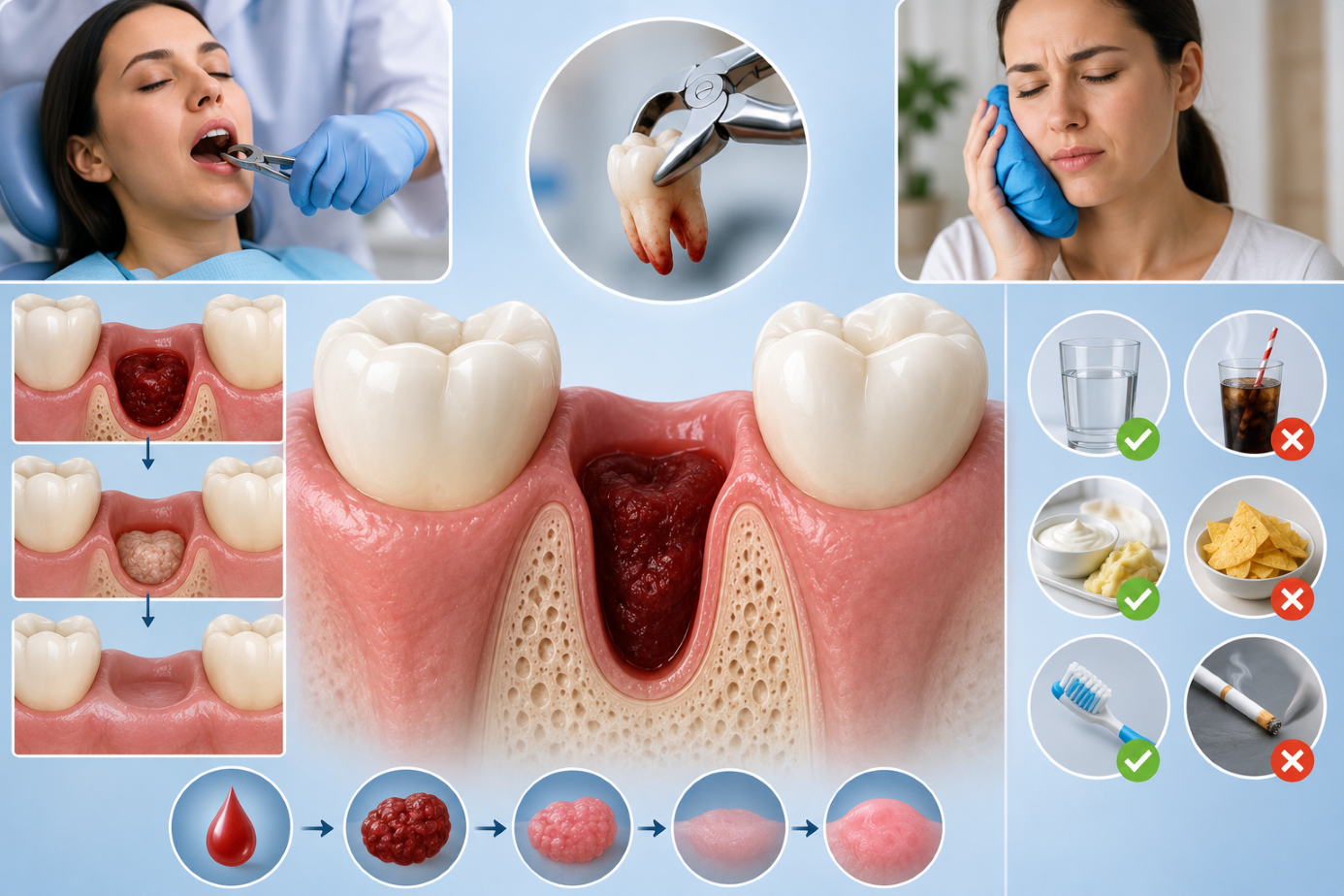
After the tooth is removed, a blood clot forms in the empty socket. This is an essential part of the healing process because it protects the underlying bone and nerve endings.

During the first 24 hours, you may experience:

  • Mild bleeding or oozing
  • Swelling
  • Tenderness or discomfort
  • Slight difficulty opening your mouth

Your dentist may ask you to bite gently on a piece of gauze to help control bleeding and support blood clot formation.

It is important not to disturb the blood clot. Avoid rinsing vigorously, spitting forcefully, smoking, or drinking through a straw during the initial recovery period.

Days 2–3: Swelling and Early Healing

Some swelling and discomfort may continue during the first few days after an extraction. For many patients, swelling may be most noticeable during this period before gradually improving.

You can usually help manage discomfort by:

  • Taking medications as recommended by your dentist
  • Applying a cold pack externally during the early recovery period, if advised
  • Eating soft foods
  • Resting and avoiding strenuous activity

Maintaining good oral hygiene is also important, but you should follow your dentist’s instructions about cleaning around the extraction site.

Days 4–7: The Extraction Site Begins to Heal

By the end of the first week, many patients notice a significant improvement in discomfort and swelling. The gum tissue gradually begins healing over the extraction site.

Depending on the type of extraction, your dentist may schedule a follow-up appointment or remove stitches if non-dissolving sutures were used.

You may gradually return to your usual routine, but hard or sharp foods should still be avoided if the area remains sensitive.

The Following Weeks: Continued Healing

Although the extraction site may look healed after a few weeks, deeper healing continues beneath the surface. The gum tissue and bone gradually remodel over time.

The exact healing period can depend on:

  • Which tooth was removed
  • Whether the extraction was simple or surgical
  • The presence of infection before extraction
  • Your overall health
  • Smoking and oral hygiene habits

This is why it is important to follow your dentist’s individual recommendations rather than relying only on a general recovery timeline.

What Can You Eat After a Tooth Extraction?

During the first days, choose soft foods that require minimal chewing.

Good options may include:

  • Yogurt
  • Mashed potatoes
  • Scrambled eggs
  • Smooth soups
  • Oatmeal
  • Soft pasta
  • Applesauce

Avoid very hard, crunchy, sticky, or sharp foods that could irritate the extraction site. As healing progresses, you can gradually return to your normal diet according to your dentist’s advice.

What Should You Avoid?

To protect the extraction site and support healing, your dentist may advise you to temporarily avoid:

  • Smoking or tobacco use
  • Drinking through a straw
  • Vigorous rinsing or spitting
  • Strenuous exercise during the early recovery period
  • Hard and crunchy foods
  • Touching the extraction site with your fingers or tongue

These precautions help reduce the risk of disturbing the blood clot and developing complications such as dry socket.

What Is Dry Socket?

Dry socket can occur when the protective blood clot is lost or breaks down too early, exposing the underlying bone and nerves. It can cause significant pain and usually requires professional dental care.

Contact your dentist if your pain becomes severe or noticeably worsens after initially improving.

How to Care for the Extraction Site

Good aftercare can support a smoother recovery. Follow your dentist’s instructions regarding:

  • Medication
  • Oral hygiene
  • Eating and drinking
  • Physical activity
  • Smoking and alcohol
  • Follow-up appointments

After the initial healing period, your dentist may recommend gentle salt-water rinses, depending on your individual situation.

When Should You Contact Your Dentist?

Some discomfort and swelling can be expected, but you should contact your dentist if you experience:

  • Severe or worsening pain
  • Heavy or persistent bleeding
  • Increasing swelling
  • Fever
  • Pus or signs of infection
  • Difficulty breathing or swallowing

Prompt professional evaluation can help identify and manage complications.

What Happens to the Empty Space?

After a tooth extraction, your dentist may discuss whether the missing tooth should be replaced. Depending on the location and your oral health, possible options may include:

  • A dental implant
  • A dental bridge
  • A partial denture

Replacing a missing tooth may help restore chewing function and prevent unwanted changes in the position of surrounding teeth.

Final Thoughts

Knowing what happens after tooth extraction can make the recovery process feel more predictable and less stressful. The first days focus on protecting the blood clot and managing discomfort, while the gums and underlying bone continue healing over the following weeks.

Following your dentist’s aftercare instructions, maintaining good oral hygiene, and attending follow-up appointments can support a smooth recovery and help protect your long-term oral health.

Cosmetic Dentistry in Turkey

Optimum Dental Turkey Advantages

Contact Us For Any Questions