Dental Health, Dental Treatment, General, Health Tourism, Implant

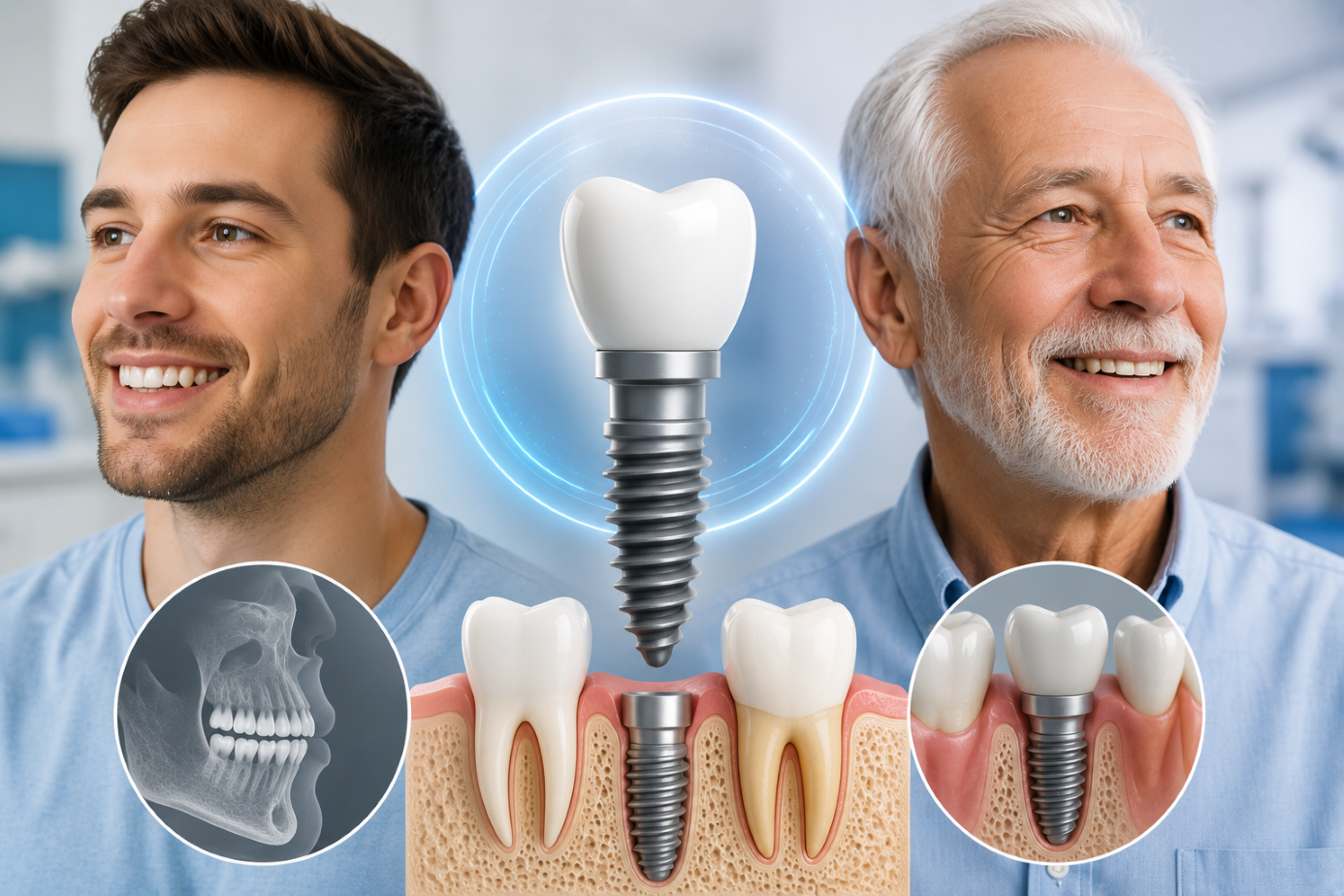
How Age Affects Dental Implant Success

Dental implants are a reliable and long-lasting solution for replacing missing teeth. However, many patients wonder whether their age can affect the outcome of treatment. Understanding how age affects dental implant success can help patients make informed decisions and know what factors are more important than age alone.

In general, there is no single age at which someone becomes too old for dental implants. A patient’s overall health, bone quality, oral hygiene, and lifestyle often have a greater influence on treatment outcomes. This article explains how age affects dental implant success and what patients should consider before treatment.

Are Dental Implants Suitable for Older Adults?

Yes. Many older adults can be suitable candidates for dental implants. Advanced age alone does not automatically prevent successful implant treatment.

Before recommending implants, a dentist will usually assess factors such as:

  • Overall health
  • Jawbone quantity and quality
  • Gum health
  • Medical history
  • Oral hygiene
  • Smoking habits
  • Medications that may affect healing

A thorough examination helps determine whether implant treatment is appropriate for each individual.

How Does Age Affect Bone Healing?

Healing can vary from person to person. Some older patients may experience slower healing due to changes in bone metabolism or other health-related factors. However, age alone does not determine whether an implant will successfully integrate with the jawbone.

The process of osseointegration depends on several factors, including bone quality, surgical technique, implant stability, and the patient’s ability to heal.

In some cases, patients with reduced bone volume may require additional procedures, such as bone grafting, before implant placement.

Dental Implants in Younger Patients

Dental implants are generally not recommended until jaw growth is complete. Placing an implant before facial and jaw development has finished may affect the long-term position of the implant as the surrounding bone continues to grow.

Once skeletal growth is complete, adults of many different ages may be considered for implant treatment.

Health Matters More Than Your Age

One of the most important factors in implant treatment is overall health. Certain medical conditions, medications, and lifestyle habits may influence healing and long-term implant stability.

For example, factors that may affect treatment planning include:

  • Uncontrolled systemic health conditions
  • Smoking
  • Poor oral hygiene
  • Active gum disease
  • Severe bone loss

These factors should be carefully evaluated and managed where possible before treatment begins.

Can Older Patients Have a Successful Implant Treatment?

Many older adults successfully receive dental implants and enjoy improved chewing function and comfort. The key is a personalized treatment plan based on the patient’s individual oral and general health.

Modern diagnostic tools, including 3D imaging and digital treatment planning, can help dentists assess bone structure and plan implant placement more precisely.

How to Improve the Chances of Implant Success at Any Age

Patients can support successful healing and long-term implant health by:

  • Maintaining excellent oral hygiene
  • Attending regular dental check-ups
  • Avoiding smoking and tobacco products
  • Following post-surgical instructions carefully
  • Managing existing health conditions with appropriate medical care
  • Maintaining a balanced and nutritious diet

Regular professional care is important for monitoring the health of the gums, bone, and implant restoration.

When Is Age a Concern?

Age may become relevant when it is associated with other factors that affect healing or treatment planning. For example, reduced bone density, multiple medical conditions, or certain medications may require additional assessment.

However, these factors are evaluated individually. A healthy older adult may be a better candidate for dental implants than a younger person with uncontrolled health problems or poor oral hygiene.

Final Thoughts

Understanding how age affects dental implant success helps patients see that chronological age is only one part of the overall picture. Dental implant suitability depends more heavily on individual health, bone quality, gum condition, and lifestyle habits.

Whether you are a younger or older adult, a comprehensive dental examination is the best way to determine if dental implants are suitable for you. With careful planning, proper aftercare, and good oral hygiene, patients of many ages can benefit from a stable and long-lasting tooth replacement solution.

Cosmetic Dentistry in Turkey

Optimum Dental Turkey Advantages

Contact Us For Any Questions