Dental Health, Dental Treatment, General, Oral Hygiene

Teeth Grinding and Its Impact on Your Oral Health

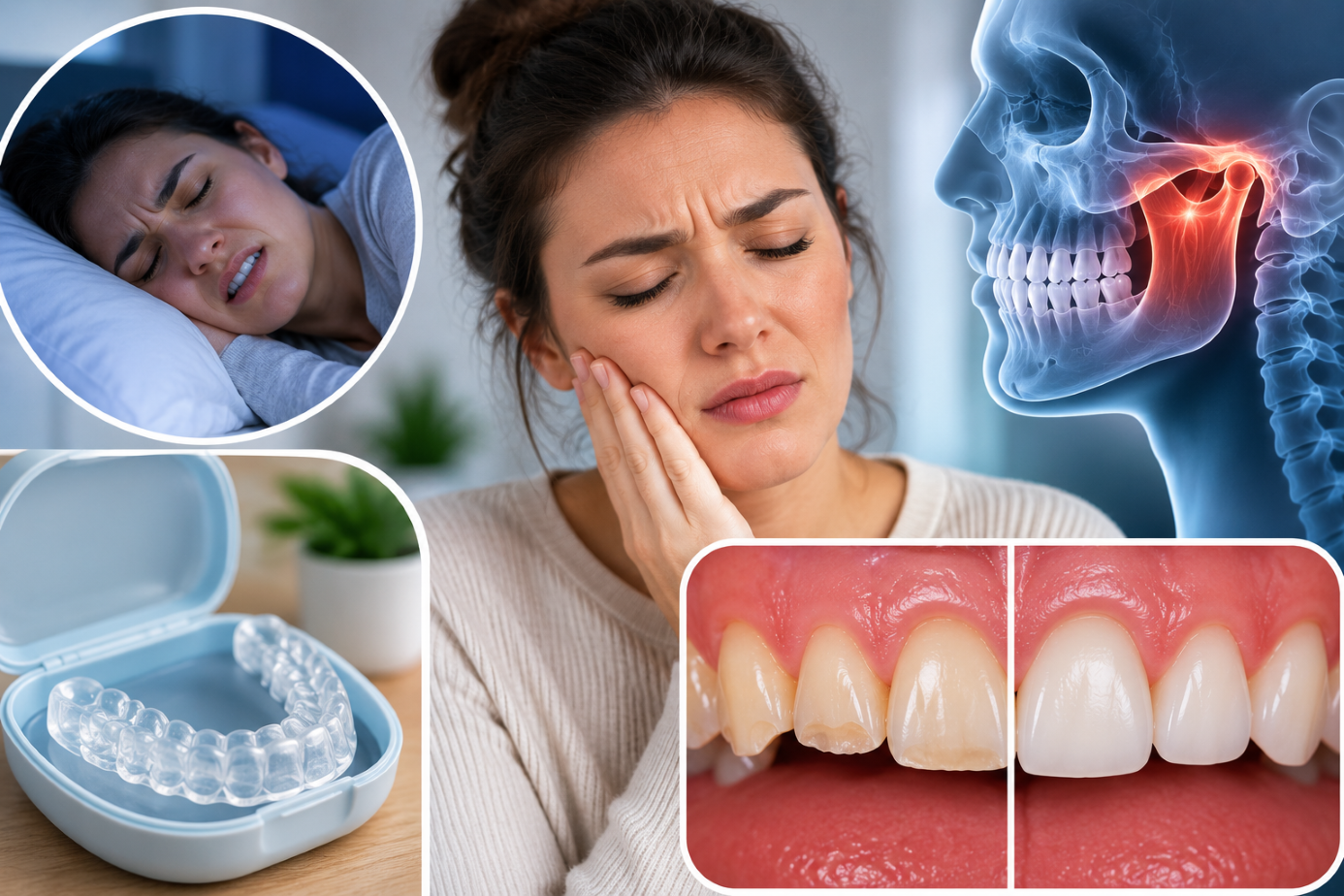
Many people grind or clench their teeth without even realizing it. This condition, known as bruxism, often occurs during sleep but can also happen during the day, especially in stressful situations. Understanding teeth grinding and its impact on your oral health is important because untreated bruxism can lead to serious dental problems over time.

Occasional teeth grinding may not cause significant damage, but persistent grinding places excessive pressure on the teeth, jaw muscles, and surrounding structures. In this article, we explain teeth grinding and its impact on your oral health, its causes, symptoms, and available treatment options.

What Is Teeth Grinding?

Teeth grinding, or bruxism, is the involuntary clenching, grinding, or gnashing of teeth. Some people experience it while sleeping, while others grind their teeth during periods of stress, concentration, or anxiety.

Because sleep bruxism often occurs unconsciously, many patients are unaware of the condition until a dentist notices signs of wear or a partner hears the grinding sounds during the night.

Understanding teeth grinding and its impact on your oral health begins with recognizing how much force repeated grinding places on the teeth and jaw.

Common Causes of Teeth Grinding

Several factors can contribute to bruxism, including:

  • Stress and anxiety
  • Sleep disorders
  • Bite misalignment
  • Missing or damaged teeth
  • Certain medications
  • Lifestyle habits such as excessive caffeine or alcohol consumption

In many cases, more than one factor may be involved.

Signs and Symptoms

Teeth grinding can produce a variety of symptoms that gradually worsen if left untreated.

Common warning signs include:

  • Worn or flattened teeth
  • Chipped or cracked teeth
  • Tooth sensitivity
  • Jaw pain or stiffness
  • Frequent headaches, especially in the morning
  • Ear pain without an ear infection
  • Clicking or discomfort in the jaw joint

Some patients also notice soreness in the facial muscles after waking up.

How Teeth Grinding Affects Your Oral Health

Bruxism can have both short-term and long-term consequences.

Tooth Wear

Constant grinding gradually removes enamel, making teeth more vulnerable to sensitivity, decay, and fractures.

Cracked Teeth and Restorations

Excessive biting forces can damage natural teeth as well as crowns, fillings, veneers, and dental implants.

Jaw Joint Problems

Persistent grinding places strain on the temporomandibular joint (TMJ), potentially leading to jaw discomfort, limited movement, and joint clicking.

Gum Recession

Heavy grinding may contribute to increased stress on the supporting structures around the teeth, which can worsen gum problems in susceptible individuals.

Can Teeth Grinding Affect Dental Implants?

Yes. Patients with dental implants should be especially aware of bruxism. Excessive grinding forces can overload implants and restorations, increasing the risk of complications such as crown fractures, screw loosening, or bone stress around the implant.

Dentists often recommend protective night guards for implant patients who grind their teeth.

How Is Teeth Grinding Diagnosed?

A dentist can often identify signs of bruxism during a routine examination by observing:

  • Tooth wear patterns
  • Fractured restorations
  • Jaw muscle tenderness
  • Changes in bite alignment
  • Evidence of enamel loss

Additional evaluation may be recommended if sleep-related disorders are suspected.

Treatment Options

Treatment depends on the underlying cause and severity of the condition.

Common management options include:

  • Custom-made night guards
  • Stress management techniques
  • Bite adjustment when appropriate
  • Restorative treatment for damaged teeth
  • Lifestyle modifications, including reducing caffeine and alcohol intake
  • Treatment of underlying sleep disorders if necessary

Early intervention can prevent further damage and improve overall comfort.

Final Thoughts

Understanding teeth grinding and its impact on your oral health helps patients recognize the early warning signs of bruxism before serious damage occurs. While many people are unaware they grind their teeth, untreated bruxism can affect the teeth, gums, jaw joints, and even dental restorations.

Regular dental check-ups allow early diagnosis and effective treatment, helping protect your natural teeth and maintain a healthy, functional smile for years to come.

Cosmetic Dentistry in Turkey

Optimum Dental Turkey Advantages

Contact Us For Any Questions