Dental Health, Dental Treatment, General, Oral Hygiene

Why Do Teeth Become Sensitive?

Tooth sensitivity is a common dental problem that affects millions of people worldwide. If you experience a sharp, temporary pain when eating ice cream, drinking hot coffee, or brushing your teeth, you may be dealing with sensitive teeth. Understanding why do teeth become sensitive can help you identify the cause and find the right treatment before the problem worsens.

Sensitive teeth are often a sign that the protective enamel has worn down or that the tooth’s inner layer has become exposed. In this article, we’ll explain why do teeth become sensitive, the most common causes, treatment options, and how to prevent future discomfort.

What Is Tooth Sensitivity?

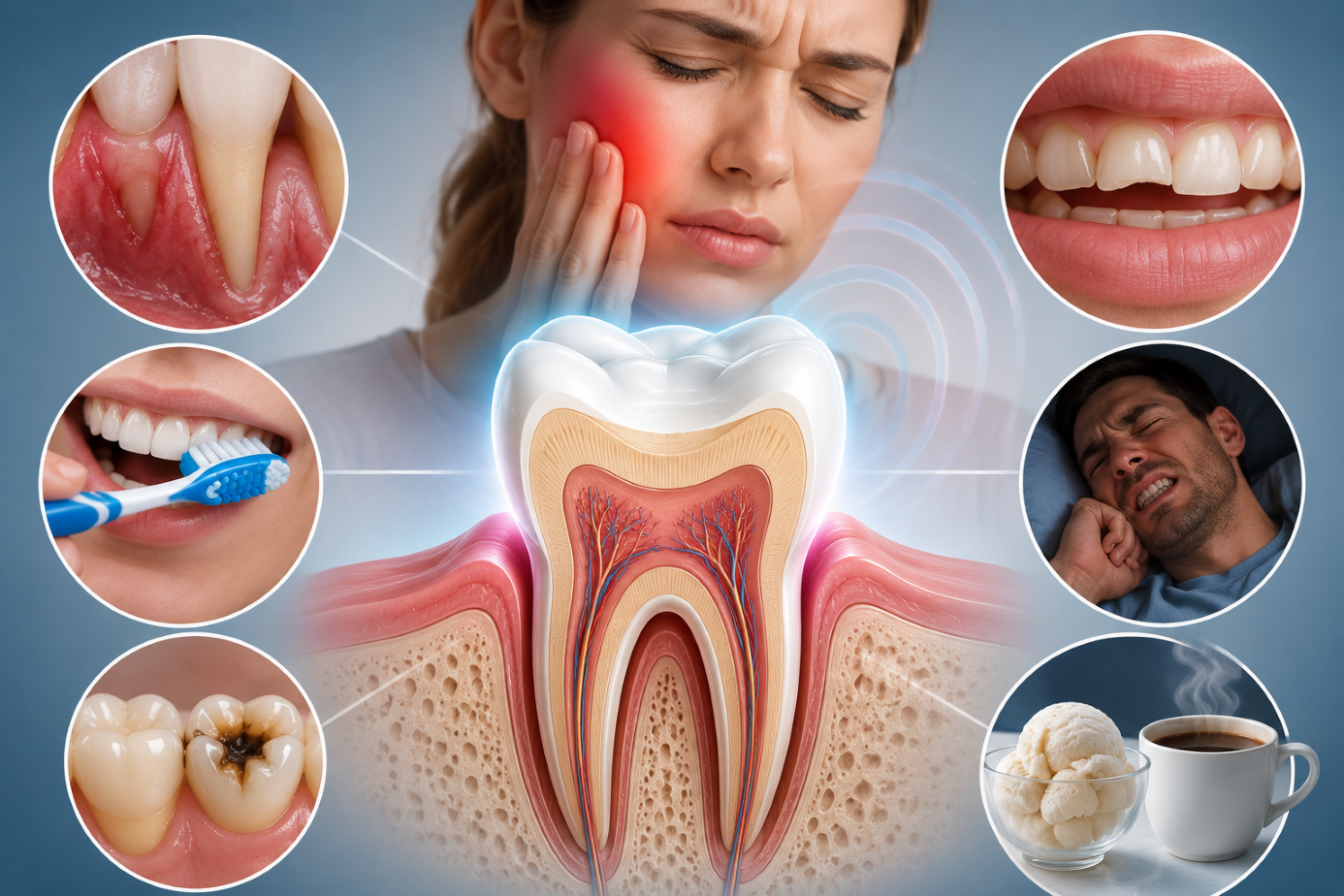
Tooth sensitivity, also known as dentin hypersensitivity, occurs when the dentin beneath the enamel becomes exposed. Dentin contains tiny tubules that connect to the tooth’s nerve. When hot, cold, sweet, or acidic foods reach these tubules, they can trigger a short, sharp pain.

Learning why do teeth become sensitive helps patients understand that sensitivity is usually a symptom of an underlying dental issue rather than a condition itself.

Common Causes of Tooth Sensitivity

Several factors can contribute to sensitive teeth.

Worn Tooth Enamel

Enamel naturally protects the teeth from external stimuli. Over time, aggressive brushing, acidic foods, or normal wear can gradually thin the enamel, exposing the sensitive dentin underneath.

Gum Recession

Receding gums expose the tooth roots, which are not protected by enamel. This makes the teeth more sensitive to temperature changes and certain foods.

Gum recession may result from:

  • Gum disease
  • Aggressive brushing
  • Aging
  • Teeth grinding

Teeth Grinding (Bruxism)

Grinding or clenching your teeth can wear down enamel and increase sensitivity. Many people grind their teeth while sleeping without realizing it.

Your dentist may recommend a custom night guard to protect your teeth.

Tooth Decay or Cavities

Cavities create openings in the tooth structure that allow external stimuli to reach the nerve more easily.

Treating decay early can prevent further discomfort and protect the tooth.

Cracked or Chipped Teeth

Small cracks or fractures can expose the dentin or even the tooth’s nerve, causing pain when chewing or consuming hot and cold foods.

Prompt dental treatment is important to prevent further damage.

Recent Dental Treatment

Temporary sensitivity is common after procedures such as:

  • Teeth whitening
  • Fillings
  • Crowns
  • Professional cleaning

This usually improves within a few days or weeks.

Foods That May Trigger Sensitivity

Patients with sensitive teeth may notice discomfort when consuming:

  • Ice cream
  • Cold drinks
  • Hot coffee or tea
  • Citrus fruits
  • Carbonated beverages
  • Sweet foods

Limiting acidic foods may help reduce symptoms.

How Is Tooth Sensitivity Treated?

Treatment depends on the underlying cause.

Your dentist may recommend:

  • Desensitizing toothpaste
  • Fluoride treatments
  • Dental bonding
  • Gum grafting for severe recession
  • Fillings for cavities
  • A night guard for teeth grinding
  • Root canal treatment in advanced cases

A professional examination is essential to determine the most appropriate solution.

How to Prevent Tooth Sensitivity

Simple daily habits can help reduce the risk of developing sensitive teeth.

These include:

  • Brushing gently with a soft-bristled toothbrush
  • Using fluoride toothpaste
  • Flossing daily
  • Limiting acidic foods and drinks
  • Wearing a night guard if you grind your teeth
  • Visiting your dentist regularly

Preventive care is the best way to maintain healthy, comfortable teeth.

When Should You See a Dentist?

Occasional sensitivity may not be a serious concern, but persistent or worsening pain should always be evaluated.

Schedule a dental appointment if you experience:

  • Ongoing tooth sensitivity
  • Pain when biting
  • Swollen gums
  • Visible cracks
  • Persistent discomfort after dental treatment

Early diagnosis often leads to simpler and more effective treatment.

Final Thoughts

Understanding why do teeth become sensitive helps patients recognize the early signs of potential dental problems and seek timely treatment. Whether sensitivity is caused by enamel wear, gum recession, or tooth decay, professional care can help relieve discomfort and protect your long-term oral health.

With proper oral hygiene, regular dental check-ups, and healthy daily habits, you can reduce tooth sensitivity and enjoy eating and drinking comfortably again.

Cosmetic Dentistry in Turkey

Optimum Dental Turkey Advantages

Contact Us For Any Questions