Dental Health, Dental Treatment, General, Oral Hygiene

Why Do Teeth Become Sensitive After Dental Treatment? Causes and Solutions

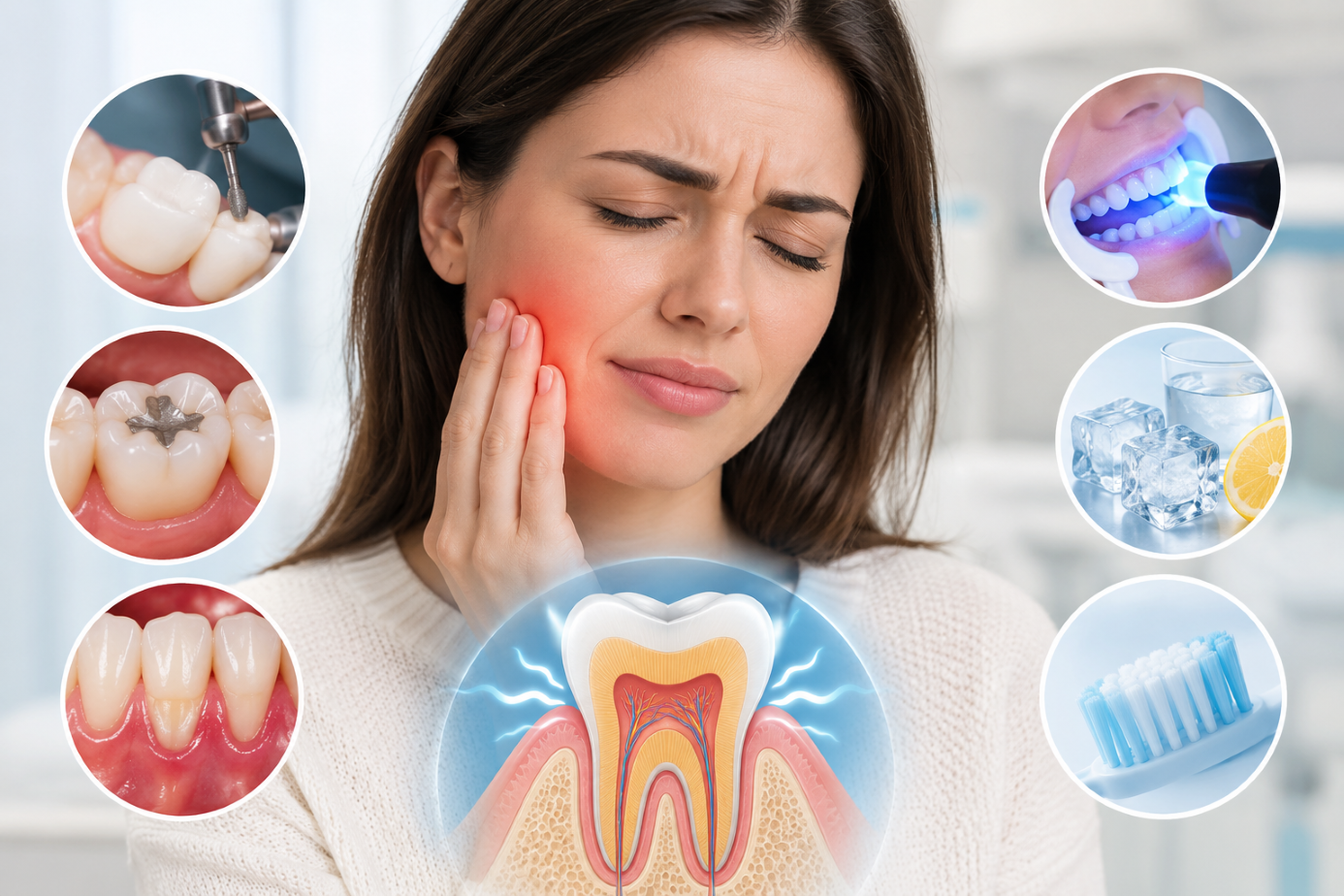
Dental treatment can improve the health, function, and appearance of your teeth, but temporary sensitivity is relatively common after certain procedures. Patients may notice discomfort when eating or drinking something hot, cold, sweet, or acidic.

Understanding the possible causes can help you know when sensitivity is part of the normal healing process and when it may require a dental check-up.

Is Tooth Sensitivity After Dental Treatment Normal?

In many cases, mild sensitivity following dental treatment can be temporary. Procedures such as fillings, crowns, veneers, teeth whitening, and other restorative treatments may temporarily irritate the tooth or surrounding tissues.

The duration of tooth sensitivity after dental treatment can vary depending on the procedure, the condition of the tooth, and the individual patient. If sensitivity gradually improves, it may simply be part of the recovery process.

However, persistent, severe, or worsening sensitivity should be evaluated by a dentist.

Common Causes of Tooth Sensitivity

1. Tooth Preparation

When a tooth is prepared for a crown or veneer, a small amount of enamel may be removed. This can temporarily make the tooth more responsive to temperature changes.

2. Dental Fillings

After a filling, the tooth may react to cold or pressure for a short period. If the filling slightly interferes with the patient’s bite, discomfort may continue until the dentist adjusts it.

3. Gum Irritation or Recession

Dental procedures can sometimes temporarily irritate the gums. Exposed areas of the tooth root are also more sensitive because they do not have the same protective enamel layer as the crown of the tooth.

4. Teeth Whitening

Whitening products can temporarily increase sensitivity because the active ingredients can pass through the tooth structure and stimulate the nerve. This usually improves after the whitening treatment is completed.

5. Existing Tooth Problems

Sensitivity may sometimes be related to an underlying issue rather than the dental treatment itself. Tooth decay, cracks, worn enamel, gum disease, or inflammation of the dental pulp can all cause sensitivity.

How Can You Reduce Tooth Sensitivity?

Several simple measures may help manage temporary sensitivity:

  • Use a soft-bristled toothbrush.
  • Avoid extremely hot or cold foods and drinks temporarily.
  • Use toothpaste designed for sensitive teeth.
  • Maintain good oral hygiene without brushing too aggressively.
  • Reduce highly acidic foods and drinks.
  • Follow your dentist’s post-treatment instructions.
  • Attend a follow-up appointment if symptoms do not improve.

When Should You Contact Your Dentist?

Not all sensitivity should be considered normal. Contact your dentist if you experience:

  • Severe or increasing pain
  • Pain that occurs without eating or drinking
  • Sensitivity that persists or gets worse
  • Pain when biting or chewing
  • Swelling around the tooth or gums
  • Prolonged sensitivity to hot or cold
  • A loose or damaged restoration

These symptoms may indicate that the tooth needs further evaluation.

How Long Does Sensitivity Usually Last?

The duration depends on the type of treatment and the individual tooth. Mild sensitivity may settle within several days, while some teeth can take longer to fully recover.

Your dentist can assess the tooth and determine whether the symptoms are consistent with normal post-treatment sensitivity or whether another cause needs to be investigated.

Final Thoughts

Tooth sensitivity after dental treatment can have several causes, and mild temporary sensitivity is not necessarily a sign that something has gone wrong. However, persistent or severe symptoms should always be assessed professionally.

With appropriate diagnosis and follow-up care, the underlying cause can usually be identified and the most suitable solution determined.

Cosmetic Dentistry in Turkey

Optimum Dental Turkey Advantages

Contact Us For Any Questions