Up to 70% less than Europe.


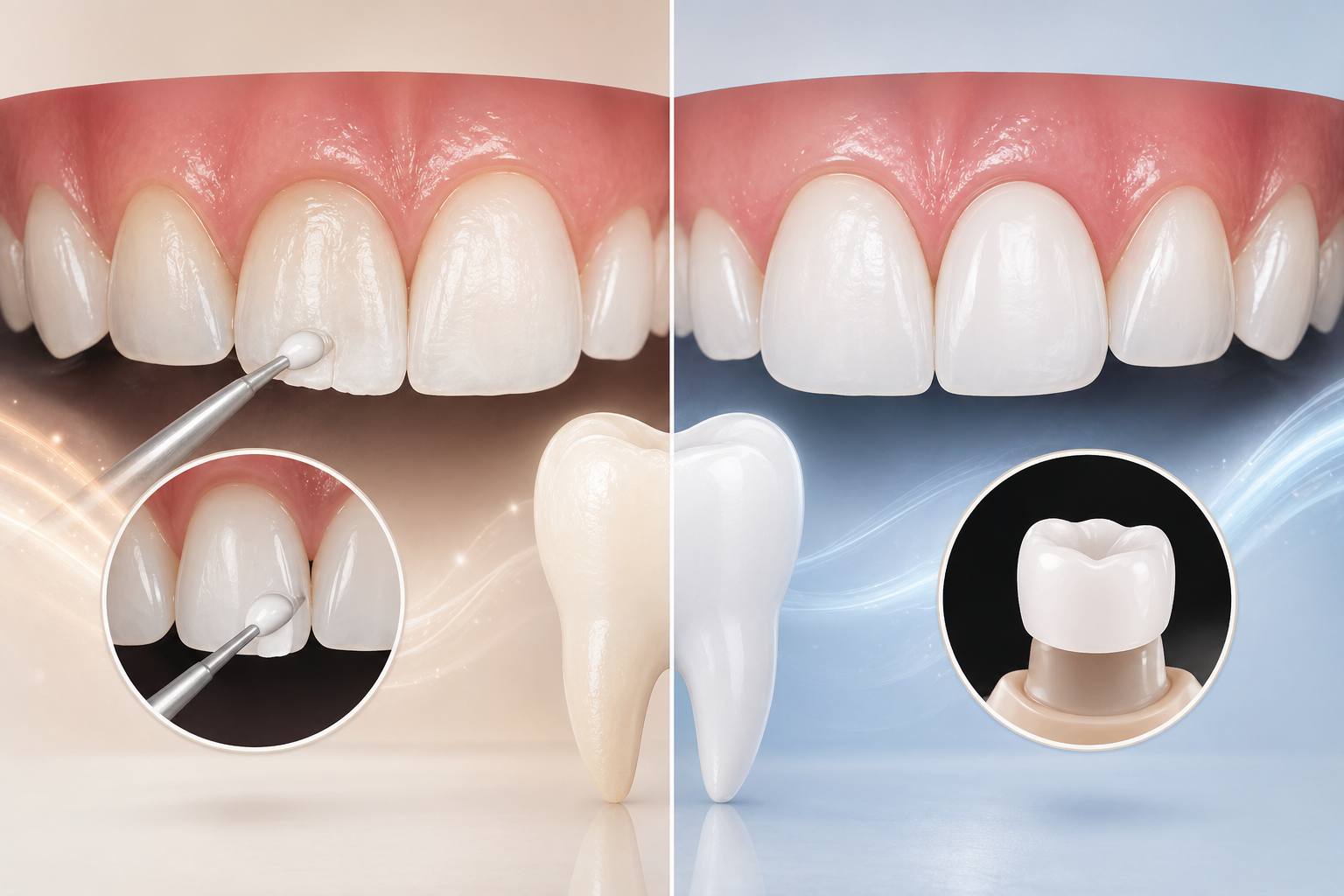
When it comes to restoring or enhancing your smile, understanding the composite bonding and zirconium crowns differences is essential. Both treatments are widely used in modern dentistry, but they serve different purposes depending on the condition of the teeth and patient expectations.
What Is Composite Bonding?
Composite bonding is a minimally invasive cosmetic dental procedure in which a tooth-colored resin material is applied and shaped directly on the tooth surface. It is commonly used to repair chipped teeth, close small gaps, and improve discoloration.
One of the biggest advantages of composite bonding is that it usually does not require significant enamel removal. This makes it a quick and cost-effective solution for minor aesthetic concerns.
What Are Zirconium Crowns?
Zirconium crowns are full-coverage restorations made from highly durable zirconia material. Unlike bonding, these crowns completely cover the tooth, providing both strength and aesthetic improvement.
They are typically recommended for teeth that are severely damaged, decayed, or structurally weak. Zirconium crowns are known for their long lifespan and resistance to wear, making them ideal for both front and back teeth.
Key Composite Bonding and Zirconium Crowns Differences
There are several important composite bonding and zirconium crowns differences that patients should consider before choosing a treatment:
- Coverage: Composite bonding is applied only to specific areas, while zirconium crowns cover the entire tooth.
- Durability: Zirconium crowns are significantly more durable and long-lasting than composite bonding.
- Procedure Time: Composite bonding is usually completed in a single visit, whereas zirconium crowns require multiple appointments.
- Cost: Composite bonding is more affordable, while zirconium crowns are a higher investment due to materials and lab work.
- Aesthetic Longevity: Zirconium crowns maintain their color and shine longer, while bonding may stain over time.
Understanding these composite bonding and zirconium crowns differences helps patients make better decisions based on both budget and long-term expectations.
Which Treatment Is Better for You?
Choosing between composite bonding and zirconium crowns depends on your dental needs. If you are looking for a quick, non-invasive, and affordable cosmetic fix, composite bonding is a great option. However, if your tooth requires strength, protection, and long-term durability, zirconium crowns are the better choice.
A consultation with a dental professional is crucial to determine the most suitable treatment. Factors such as oral health, bite force, and aesthetic goals should all be evaluated.
Conclusion
In conclusion, the composite bonding and zirconium crowns differences mainly revolve around durability, coverage, cost, and purpose. Composite bonding is ideal for minor cosmetic improvements, while zirconium crowns provide a more comprehensive and long-lasting solution. By understanding these differences, patients can choose the treatment that best fits their needs and expectations.
Optimum Dental Turkey Advantages

Free Consultation
Contact Us for an Online or In-Person Consultation
During your consultation, you will receive:
✔️ A comprehensive dental examination
✔️ A personalized treatment plan
✔️ A full cost estimate and treatment strategy

Customer Care Manager
By communicating with our professional translators, we ensure that everyone receives health care comfortably.


VIP Services
Reach our clinic with luxury vehicles with our VIP Service and receive accommodation in luxury hotels.