Dental Health, Dental Treatment, General, Health Tourism, Implant, Oral Hygiene

Can You Get Dental Implants If You Have Gum Disease?

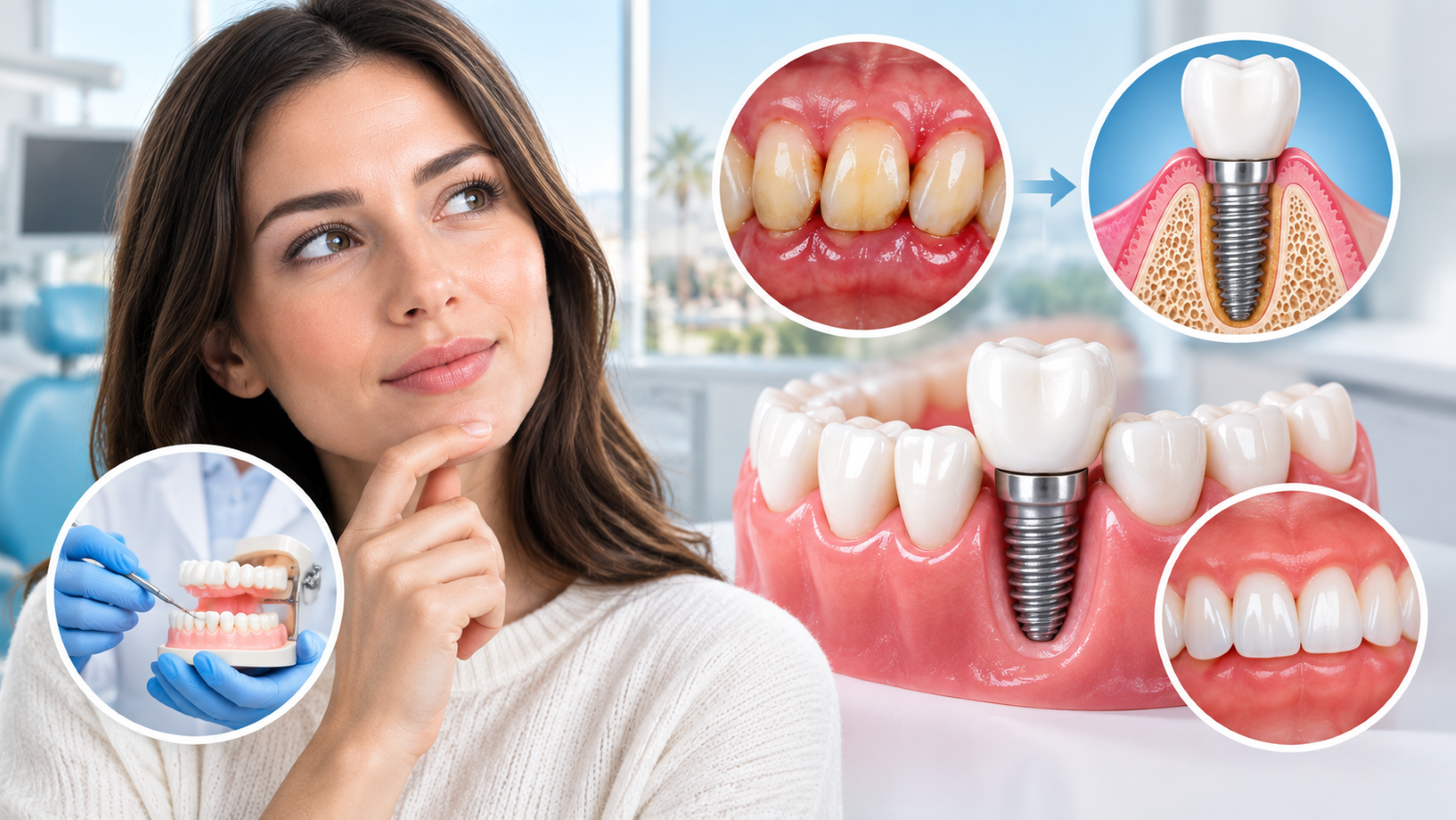
Dental implants are a popular solution for replacing missing teeth, but patients with gum disease often wonder whether they can still receive implants. The answer depends on the condition of the gums, the amount of supporting bone, and how well the periodontal disease is controlled.

In many cases, dental implants with gum disease may be possible after the gum condition has been properly evaluated and treated. Healthy gum tissues and adequate bone support are important factors when planning implant treatment.

Why Does Gum Health Matter for Dental Implants?

Dental implants are placed into the jawbone and surrounded by gum tissue. Active periodontal disease can affect both the gums and the bone supporting the teeth, which may make implant treatment more complicated.

Gum inflammation also needs to be controlled because bacteria and plaque around an implant can contribute to inflammation of the tissues surrounding it. Conditions affecting these tissues are known as peri-implant diseases.

For this reason, your dentist should assess your periodontal health before recommending implants.

Can Gum Disease Be Treated Before Implants?

Yes. Depending on the severity of the condition, treatment may include professional cleaning, improved oral hygiene, deep cleaning below the gum line, or other periodontal procedures.

The goal is to establish healthier gums and control active infection before moving forward with implant placement. The exact sequence will depend on your individual oral condition.

Once the gums are healthier and the dentist has assessed the available bone, an individual implant treatment plan can be created.

What If Gum Disease Has Caused Bone Loss?

Advanced gum disease can lead to loss of the bone that supports natural teeth. Since dental implants require sufficient bone to provide stable support, bone loss may affect the implant plan.

However, insufficient bone does not always mean that implants are impossible. In selected cases, procedures such as bone grafting or ridge modification may be considered to improve the available foundation for an implant.

Your dentist may therefore recommend X-rays or 3D imaging to evaluate the bone before starting Dental treatment.

Are Dental Implants Safe After Gum Disease Has Been Controlled?

Patients who have previously experienced gum disease require careful long-term maintenance around their implants. A history of periodontal disease is one of the factors associated with an increased risk of peri-implant disease, particularly when plaque control is inadequate.

This does not automatically prevent implant treatment. Instead, it means that maintaining excellent oral hygiene and attending regular professional check-ups are especially important.

How Can You Protect Dental Implants After Treatment?

After implant placement, maintaining healthy gums is essential. A good daily routine should include:

  • Brushing twice a day with fluoride toothpaste
  • Cleaning between teeth and around implants
  • Following your dentist’s recommended hygiene routine
  • Attending regular dental examinations
  • Having professional cleaning when recommended
  • Avoiding smoking
  • Contacting your dentist if you notice bleeding, swelling, discomfort, or changes around an implant

Dental implants should be cared for similarly to natural teeth, with particular attention to keeping plaque under control.

What Happens During an Implant Assessment?

Before Dental treatment, your dentist will normally evaluate your teeth, gums, jawbone, bite, and general oral health. Imaging may be used to assess the available bone and identify any additional procedures that may be required.

If gum disease is active, periodontal treatment may be recommended first. If the gums are healthy enough and the bone provides suitable support, the dentist can then discuss whether an implant is appropriate.

Every case is different, so dental implants with gum disease should be planned following an individual clinical examination rather than based only on photographs.

Choosing a Dental Clinic for Implant Treatment

If you are considering implants in Türkiye, choosing an experienced Dental clinic in Izmir can make it easier to arrange assessment, treatment, and follow-up care in one location.

For international patients, a Dental clinic in Izmir located near Izmir airport can also make travelling for appointments more convenient.

When planning Dental treatment, patients should consider not only the implant procedure itself but also the condition of their gums, the supporting bone, their oral hygiene routine, and their long-term maintenance needs.

A Dental clinic in Izmir can assess your individual situation and explain whether treatment should begin with periodontal care, bone preparation, implant placement, or another option. For patients travelling internationally, choosing a clinic near Izmir airport may also simplify transfers and appointment logistics.

Final Thoughts

Having gum disease does not necessarily mean that dental implants are impossible. However, active periodontal disease should be carefully evaluated and controlled before implant placement whenever clinically appropriate.

The most important factors include healthy gum tissues, sufficient bone support, good oral hygiene, and a commitment to regular follow-up care. Dental implants with gum disease require careful planning and long-term maintenance to support healthy tissues around the implant.

If you are considering implants after experiencing gum disease, a professional assessment can help determine the most suitable treatment approach for your individual needs.

Cosmetic Dentistry in Turkey

Optimum Dental Turkey Advantages

Contact Us For Any Questions